New roadmap developed for Iran-Pakistan logistics cooperation
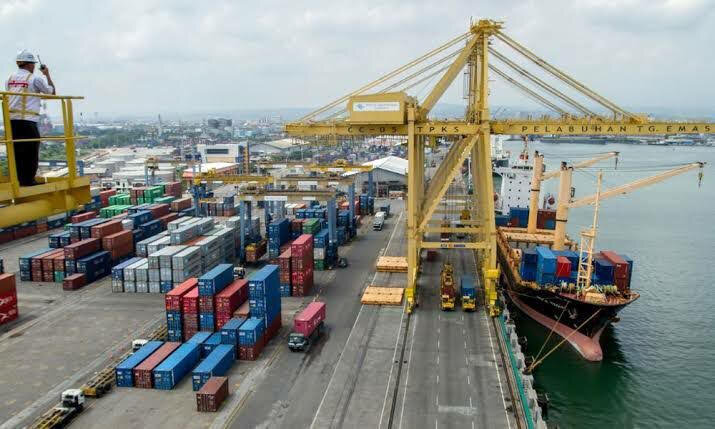
TEHRAN- The Vice-Chairman of the Transportation, Transit, and Logistics Committee of the Iran Chamber of Commerce, while outlining the achievements of the Iranian economic delegation's trip to Pakistan, stated that a new roadmap for Iran-Pakistan logistics cooperation was developed during this visit, with the expansion of transit and trade placed at the center of negotiations.
According to a report by IRNA from the Iran Chamber, Masoud Polmeh added: "During the three-day meetings of the delegation dispatched by the Iran Chamber to Pakistan, numerous negotiations were held with Pakistan's Ministers of Transport and Railways. One of the most important achievements of this trip was the drafting of an agreement in the logistics sector, based on which the status of stranded containers at Karachi Port was resolved."
Stating that according to the Pakistani side, the number of these containers exceeds 12,000 units, he continued: "Based on the agreements reached, it was decided that with a minimum of positive documentation required in the maritime transport process for amending documents, the necessary changes for transshipment or transit transfer of containers would be facilitated. Also, the issue of auctioning or declaring these containers as abandoned was completely ruled out."
The Secretary of the Shipping and Related Services Association of the Iran Chamber clarified: "The Pakistani side agreed to reduce, as much as possible, the warehousing costs for stranded containers at Karachi Port. It was also decided that a portion of the demurrage costs related to Pakistani shipping companies would be adjusted, and the Pakistani government would provide the necessary cooperation in this regard."
He said: "The set of agreements reached has created a positive outlook for the faster transfer of halted goods to the country and can resolve some of the problems faced by economic activists."
Polmeh, referring to other programs of this trip, added: "The Iranian delegation members held separate meetings with six Pakistani ministers responsible for various economic sectors. There were also meetings with chambers of commerce and economic federations of Pakistan, where various issues of cooperation between the two countries were examined."
Stating that one of the important issues raised was the facilitation of movement and transport between the two countries, he noted: "In this regard, it was agreed that Pakistan's active borders would operate on a 24-hour basis, which can have a significant impact on transport, transit, and customs service exchanges between the two countries."
The Vice-Chairman of the Transportation, Transit, and Logistics Committee of the Iran Chamber of Commerce stated: "Reducing the documentation and formalities required for the movement of trucks across the borders of the two countries, as well as some financial mechanisms needed for developing trade and transport cooperation, were also addressed in these negotiations, the details of which will be announced by the responsible authorities."
He added: "Other issues were also raised in the economic sectors; for example, in the mining sector, areas for cooperation in exploration and exploitation were examined. Negotiations were also held regarding energy supply, crude oil, and gas."
Polmeh said: "In the agricultural sector, areas for developing cooperation between the two countries were also examined, and the issue of supplying and importing some products needed by Iran, including Pakistani rice, was on the agenda of the negotiations."
MA
Leave a Comment